Drainage in Teralba
CCTV Drain Inspections Teralba
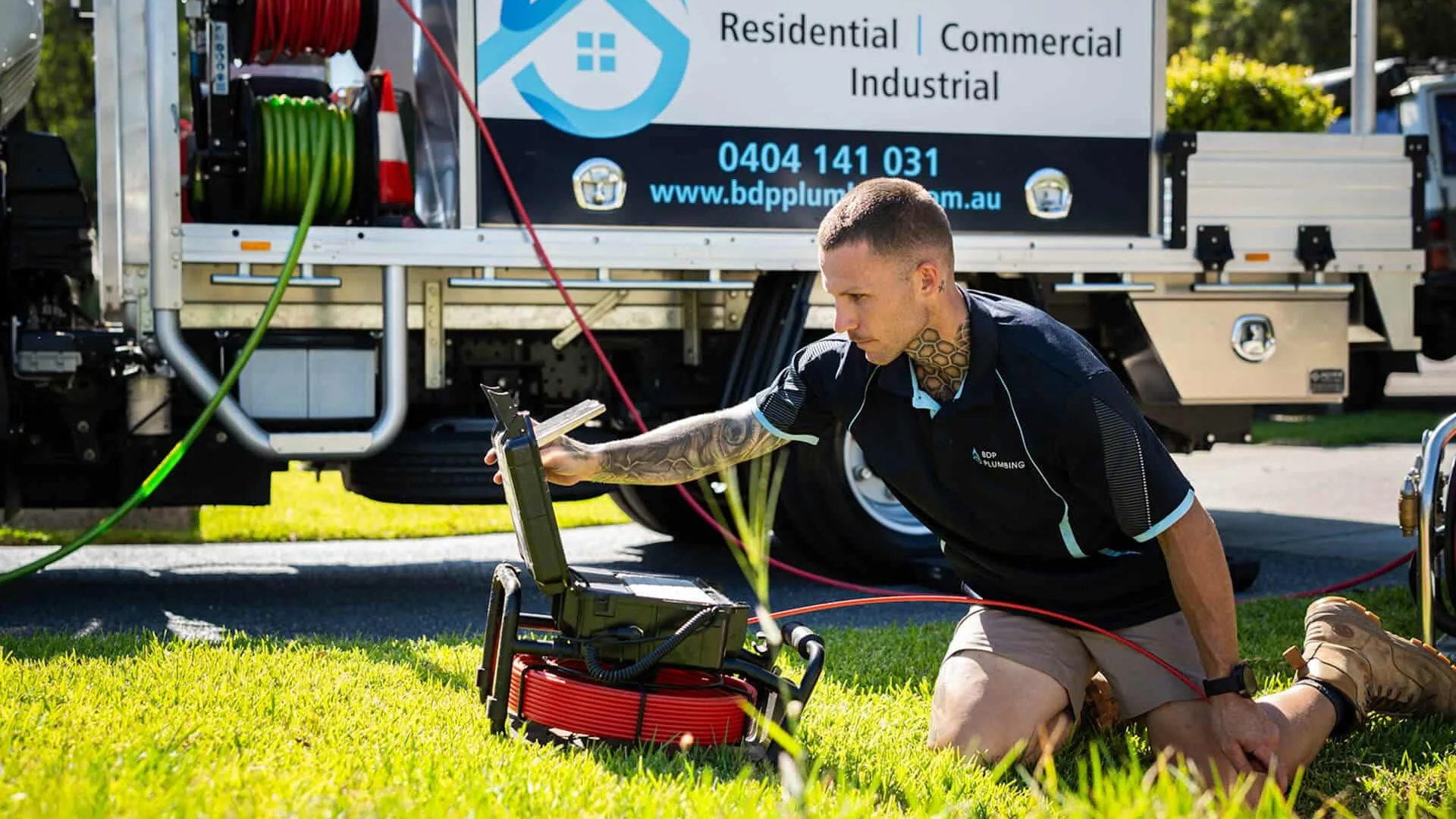
A drain that keeps filling up again is a guess until someone looks inside. A waterproof camera head travels the line and puts the fault on a screen: the crack, the root mass, the sag.
That picture changes the job. Instead of paying to clear the wrong thing, or clearing the same line twice because nobody knew a joint was broken, you see exactly what is in the ground before any repair gets priced.
We run these inspections across town and the suburbs next door, as part of the drainage work on our drainage hub. Every job starts with a $0 call out, so there is nothing to pay just to ask for a look.
What the Camera Shows You
The camera is a small, self-levelling head on a push rod, fed in through an existing access point. We watch the live feed the whole way, and the head's transmitter lets us locate the fault from the surface.
That turns a mystery into a named problem with a position on it. Here is what turns up most often:
- Tree roots through a cracked joint, grown into a net inside the pipe
- Cracks, breaks and collapsed sections in old clay and earthenware lines
- Sags where the pipe bed has dropped and water pools in the dip
- Groundwater trickling in through joints that have opened over the decades
- Silt and scale building up until the pipe runs at half its bore
Why the Drains Here Earn a Camera
Camera work is useful anywhere, but this township gives the technology plenty to look at. Four reasons the picture beats a guess:
The ground keeps shifting the joints
The ground under town is reactive clay sitting over alluvial soil, and clay that swells and shrinks with every change in moisture slowly works the joints of old drains apart.
The rain pushes the lines hard
The suburb averages 1,058 millimetres of rain a year, and every heavy summer and storm-season event pushes surges through lines that were never sized for a century of extra roofs.
Much of it is still the first pipe in
Teralba has had a railway station since 1887, and much of the drainage under the original township's streets is still the first-generation earthenware pipe laid in and around that era.
The trees found the weak spot long ago
In the older pockets near the station, mature street trees have spent decades chasing moisture through the soil. Brittle clay joints are the easiest way in, and the camera shows you where.
Put those together and you get drains that block, leak and shift in ways no plunger will diagnose. The camera names the real fault, and the fix gets priced against what is actually in the ground.
How the Inspection Runs
- 1
Call and tell us
Ring (02) 4063 3438 and tell us what's going on in Teralba. We'll ask a few quick questions so the right gear is on the truck the first time.
- 2
Quote before work
You get the price before anything starts. No call-out fee, no hourly surprises: you approve the quote or we shake hands and leave, no charge.
- 3
The camera travels the run
We feed the head in and watch the feed live, calling each fault out as we pass it, so you see the whole pipe before a single repair gets priced.
- 4
Backed, no questions asked
If something isn't up to standard afterwards, we come back and make it right, no questions asked. That's the standard every Teralba job is held to.
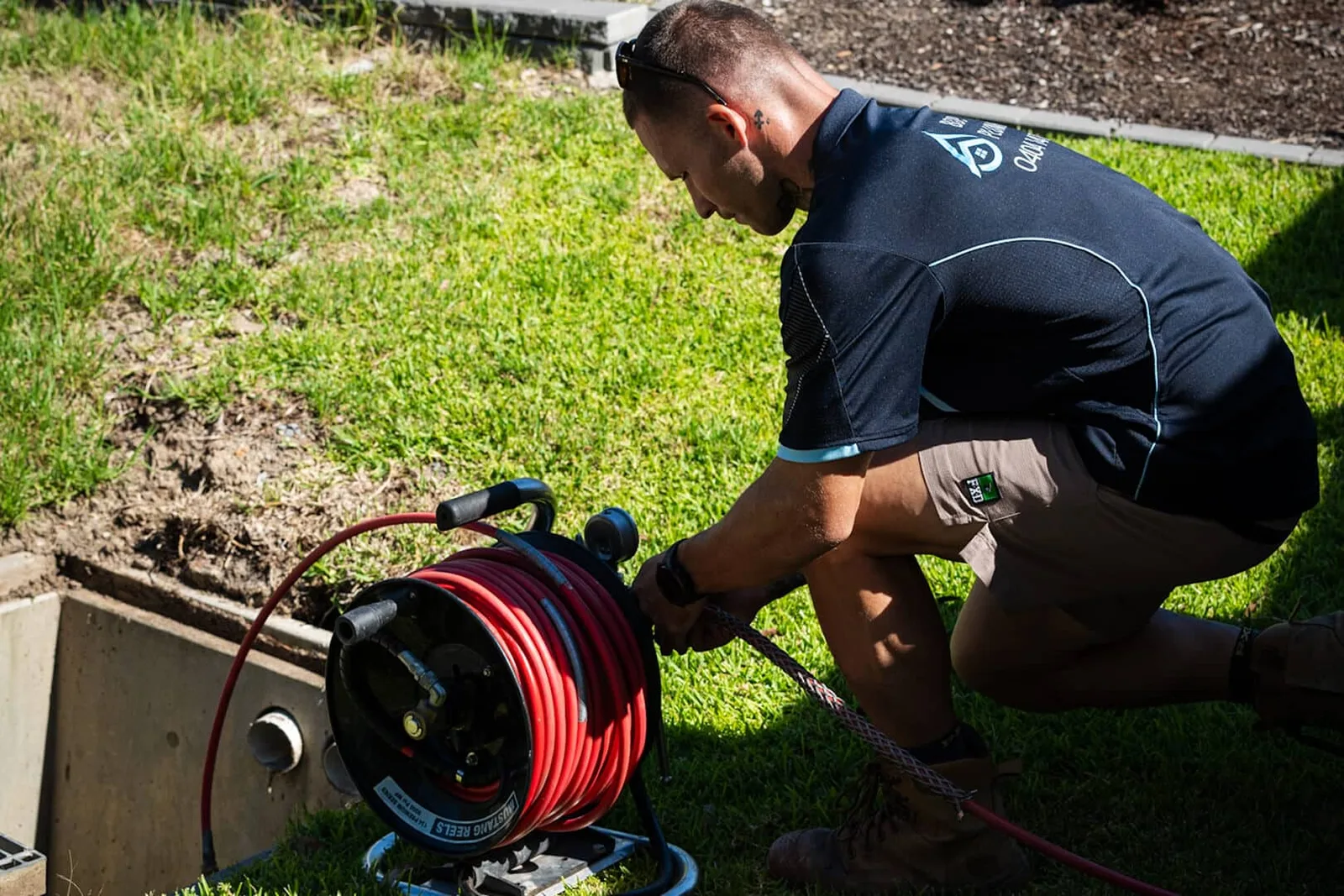
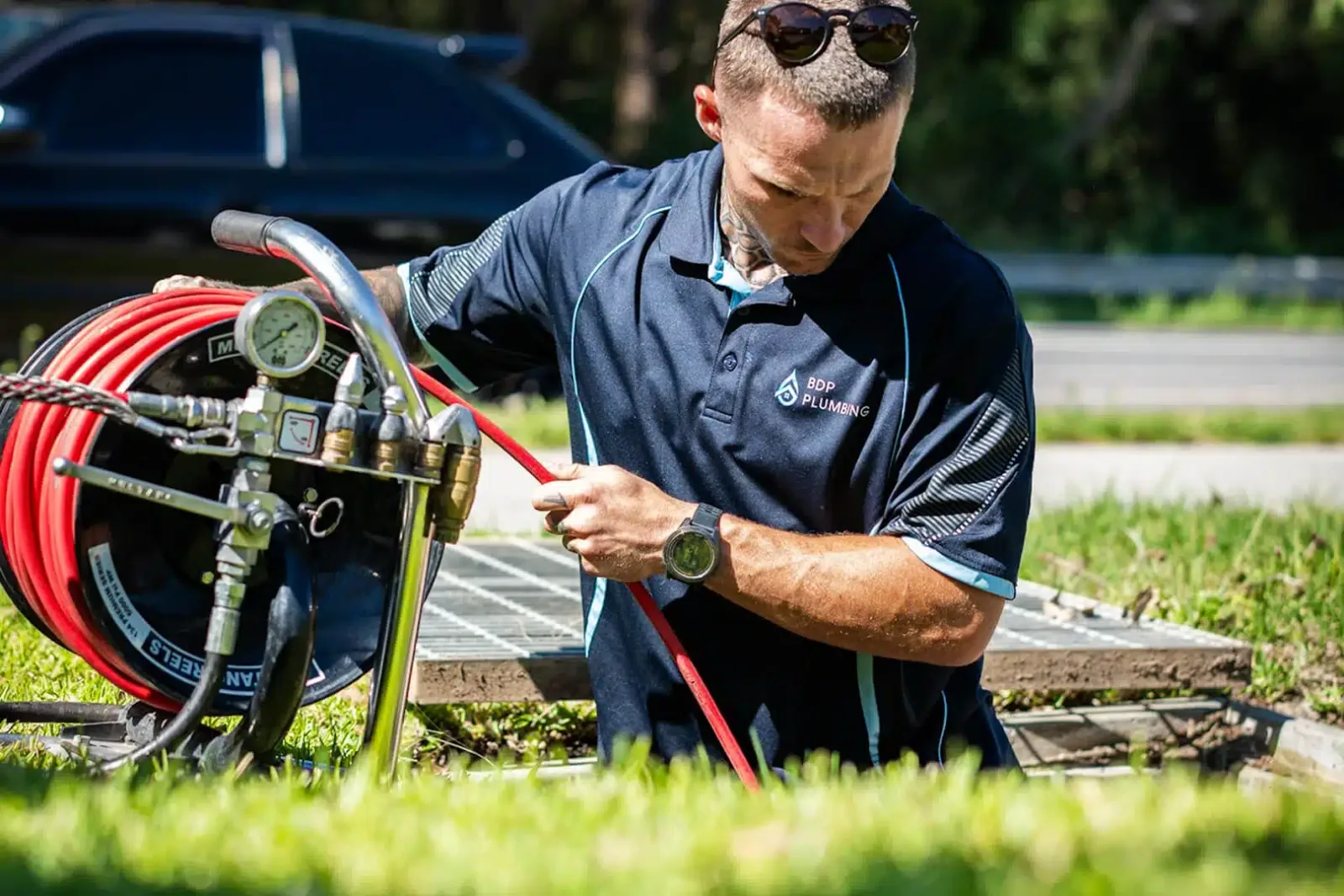
If the line is badly blocked, the camera comes second. Clearing first, usually with high-pressure water, lets the head travel the full run so nothing gets missed, and the hydro jetting page covers how that clearing works.
When a Camera Run Makes Sense
Some symptoms practically ask for one:
Autumn and storm season push the most water through the local lines, and that is when a hidden crack or root mass turns into a surcharge. A camera run on a dry day finds it early.
Why Locals Keep Calling Us
$0 Call Out
Quote First, Always
Licensed Local Plumbers
Made Right, No Questions Asked
Camera work suits that approach well, because the footage does the selling. You see the fault yourself, the price is built on what the screen shows, and nothing happens until you approve it.
Questions About CCTV Drain Inspections
Does the camera show exactly where the fault is?
Yes. The head carries a sonde transmitter, so we can find it from the surface and give you the depth and position along the line before anyone lifts a shovel.
Will the camera damage my pipes?
No. The head is small, smooth and self-levelling, and it rides the pipe the way water does. On brittle old clay that is far kinder than forcing a tool through blind.
Can you inspect the stormwater line as well as the sewer?
Yes. Both take the same camera run. On low-lying ground near Cockle Creek we often find groundwater seeping in through opened joints, which explains a stormwater pit that never stays dry.
How long does a camera inspection take?
A house line usually takes well under an hour once we have an access point. If the line needs clearing first so the head can travel, allow extra time for that.
Should I get an inspection before buying an older house?
Plenty of streets here still run their first earthenware sewer, so a pre-purchase camera run is a sensible spend. It shows whether you are buying a sound line or a repair bill.
What happens if the camera finds roots or a crack?
You watch the footage with us, the fault gets named, and the quote follows the picture. If high-pressure jetting is the right answer afterwards, the hydro jetting page explains how that runs.
Get the Lines Checked Properly
Call (02) 4063 3438 and tell us what's happening. $0 call out across Teralba, a clear quote before any work starts, and a job that gets made right if it isn't right the first time.
Whether it is a repeat blockage on an old earthenware line or a pre-purchase check before you sign on the dotted line, the camera ends the guessing. See the home page for the full service, or head back to the drainage hub for the rest of the drainage work.
Plumbers in Teralba and the suburbs around it